
ALPINE SOILS
Alpine soils provide an extensive range of functions such as healthy food production, flood regulation, climate regulation, and protection from natural hazards. Moreover, they contribute to the unique landscape of the Alpine region and play a fundamental role in recreational activities.
The importance
of Alpine soils cannot be underestimated!
These benefits also involve people living downstream. The Alpine soils are intrinsically vulnerable due to the limited rate of formation, which makes them an almost non-renewable resource.
Non-sustainable soil management.
Unsuitable tillage and farming practices, and inappropriate soil restoration measures, can trigger soil degradation
processes.
Best practices for sustainable soil management across various sectors are necessary to ensure long-term soil health and functionality.

Soil is the basis of Alpine ecosystems!
Through the sustainable management and protection of soil, we enhance the sustainable management of the Alpine environment, making a considerable contribution to the performance and resilience of key ecosystem services, preserving biodiversity, and ensuring the well-being of humans.
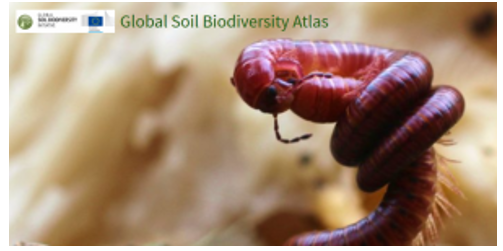
Soil biodiversity reflects the variability among living organisms!
Soil biota contribute to the provision of ecosystem services in several ways. Two examples are the ability of micro-organisms to decompose pollutants and the increase in infiltration capacity by the presence of earthworm channels.