
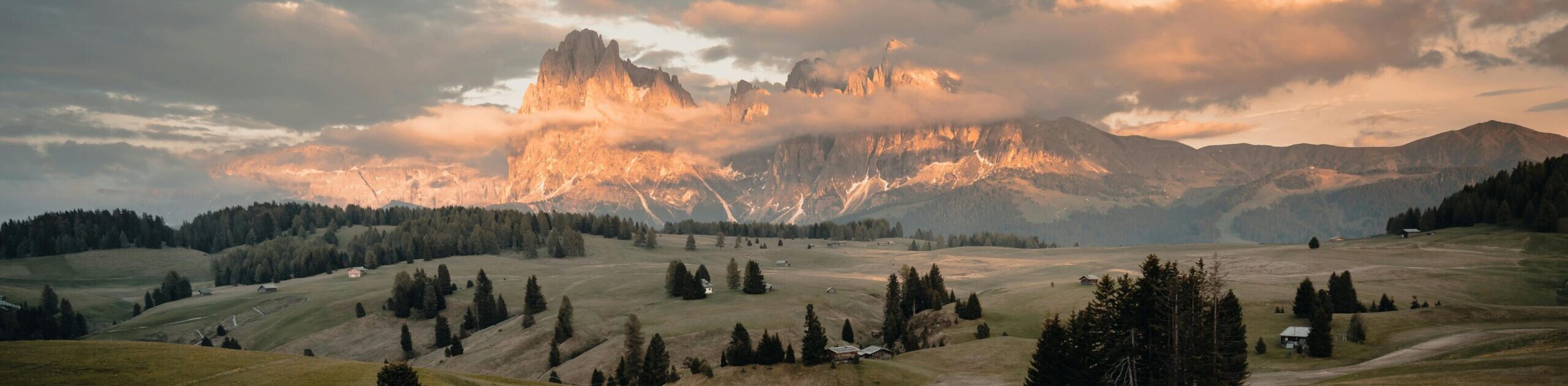
Best soil management practices
Identified are role model soil management practices, demonstrating the potential for sustainable development, environmental protection, and positive social influence. Best practice influence depends on regional circumstances, such as natural environment, political situation, funding schemes, or public opinion.
Sustainable management and the protection of Alpine soil enhance the quality of the Alpine environment and considerably contribute to the provision of soil ecosystem services (SES) and the resilience of ecosystems. This, in turn, helps to preserve biodiversity and ensure the well-being of humans. The Soil Conservation Protocol of the Alpine Convention, an international treaty, aims to “safeguard the multifunctional role of soil based on the concept of sustainable development.”
Best practices of soil management in the Alpine region are grouped into sectors:
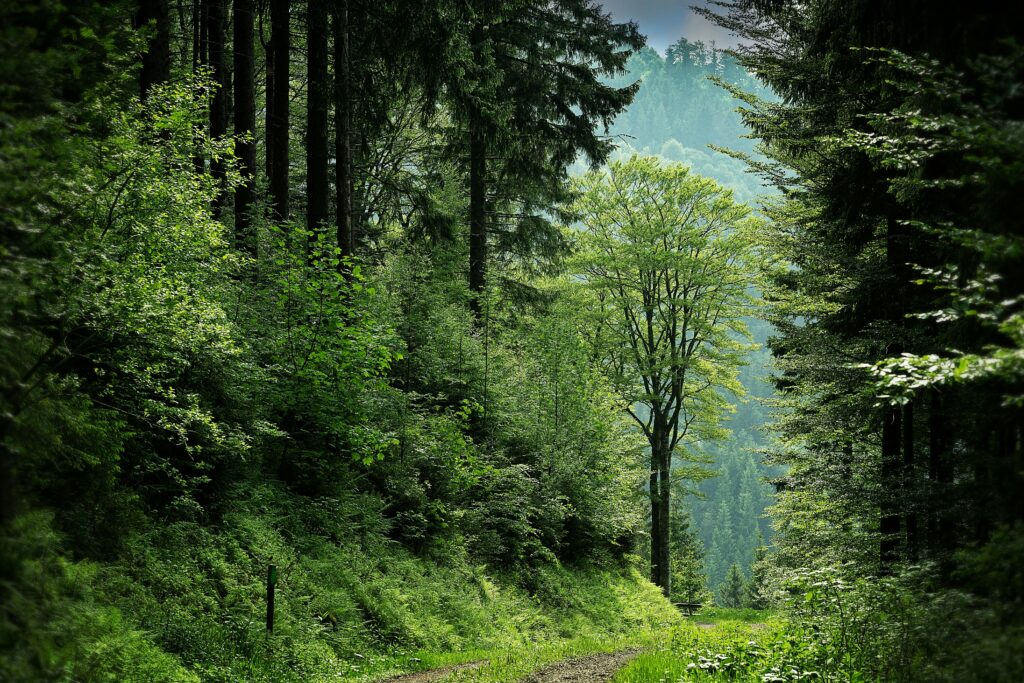
Forestry
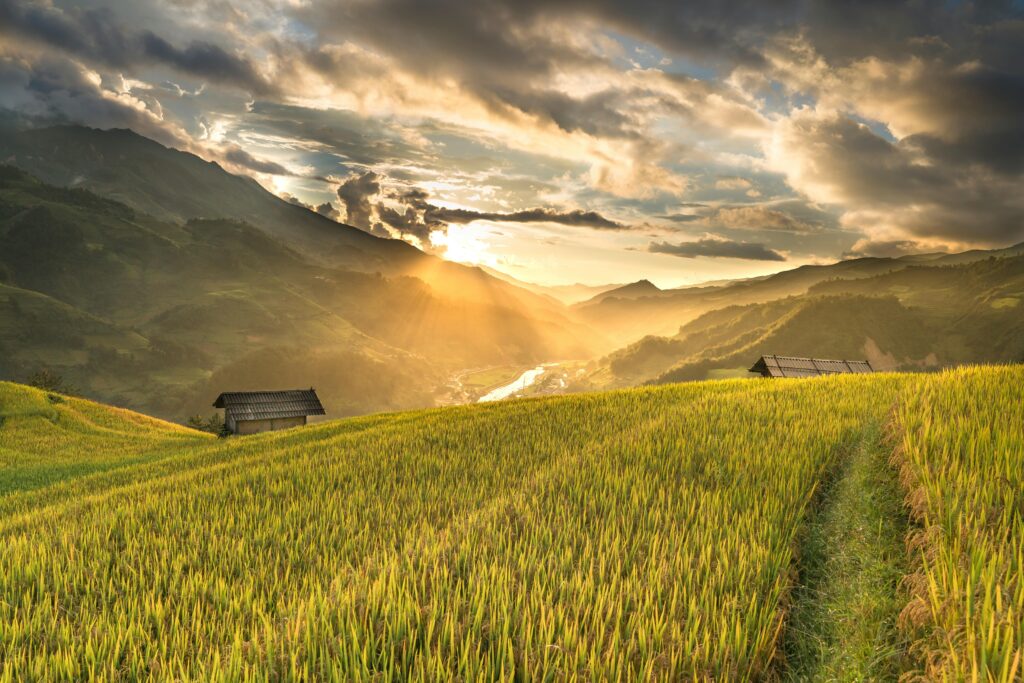
Agriculture
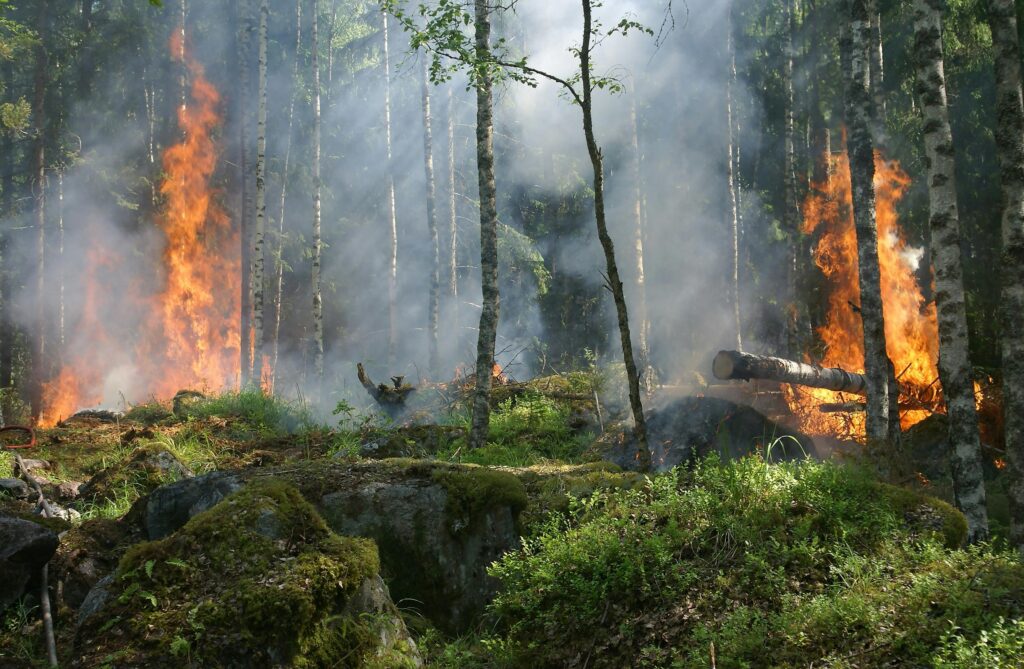
Natural hazards
Spatial planning

Tourism
Below is an interactive map representing the seventeen soil management practices in different Alpine countries. It reflects the diversity of soil and environmental management approaches used in the area, and the existing sustainable soil and nature protection management in different sectors and industries, mainly in agriculture, forestry, sports, and tourism:
Alpine Soil Case Studies
🔴 Links4Soils 🔵 SOIL:OurInvisibleAlly — Click a pin to see details.
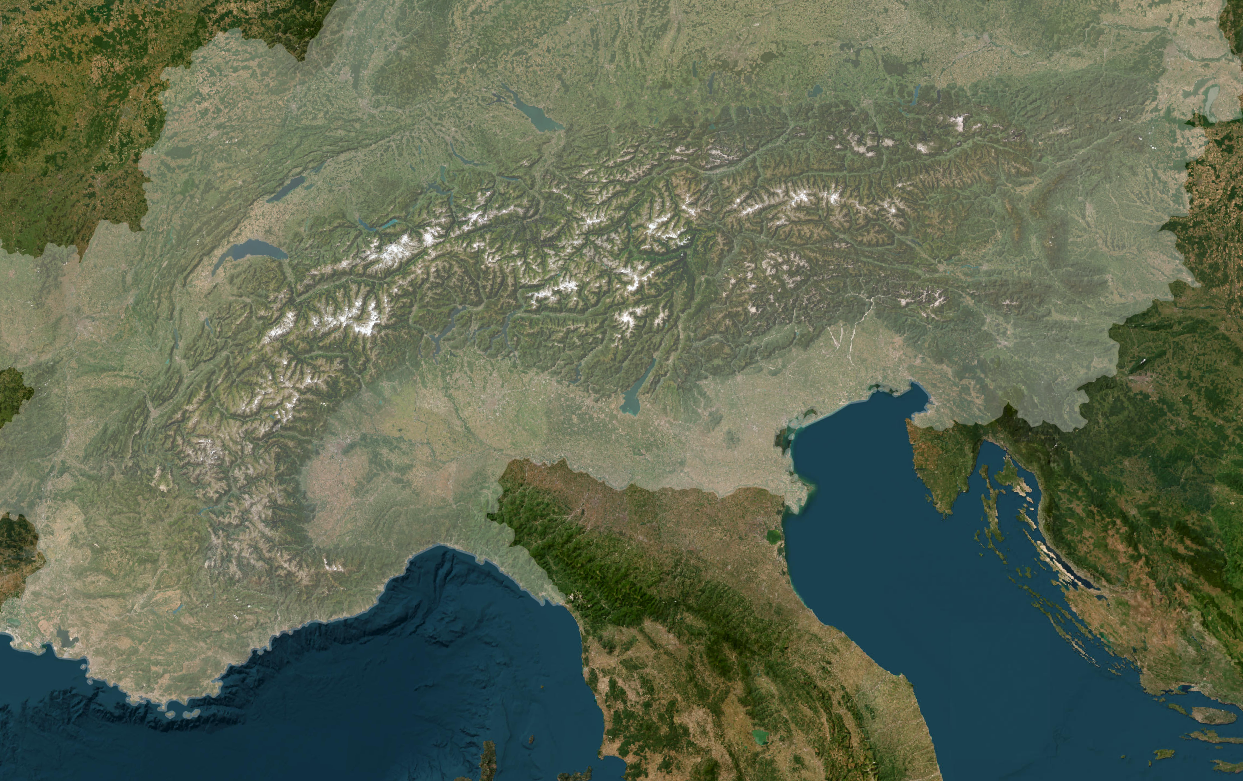
Use of specific maps helps improve management to minimize soil threats (e.g., erosion, contamination, biodiversity loss). Hereafter are presented maps of different information, used in different sectors: